
John Bruno emailed me a copy of a recent paper published yesterday in Geology (Marine calcifiers exhibit mixed responses to CO2-induced ocean acidification) to comment on here on Climate Shifts – looks like Andrew Bolt has beaten me to the punch.
What you hear on the internet: calcification is greatest under the highest level of pCO2 for three species of invertebrates:

True.
What you don’t hear on the internet: in 10 of the 18 species studied, calfication decreased under the increasing pCO2.

What this study isn’t: proof that OCEAN ACIDIFICATION IS A GOOD THING CAUSE THEY CAN BUILD MORE SHELLS.
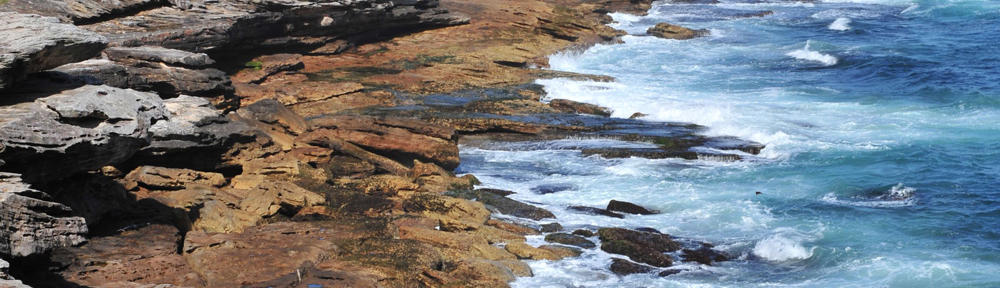
The Ries et al study is a great example of how much we don’t know about the specific mechanisms of marine calcification – s0 much so that one of the organisms in the study, the blue mussell (see the photograph above) exhibited no response to elevated pCO2. As Ries points out:
A combination of factors, including the organisms’ ability to regulate pH at the site of calcification, the extent of organic-layer coverage of their external shell, their biomineral solubility, and whether they utilize photosynthesis, may contribute to the disparity of these response patterns.
The ecological implications of the study are pretty interesting:
The crab exhibited improved shell-building capacity, and its prey, the clams, showed reduced calcification. “This may initially suggest that crabs could benefit from this shift in predator-pray dynamics. But without shells, clams may not be able to sustain their populations, and this could ultimately impact crabs in a negative way, as well,” Ries said. (Read More)
The Reis et al study is also a great example of the media paraphrasing science to fit their selective political agenda. Am I surprised to see variable responses of marine calcifiers to ocean acidification? No, not really – a report in Science last year showed that marine phytoplankton increase calcification and net primary production increased under higher CO2 conditions. Does this ‘debunk alarmism‘? No, not at all.
NPR – All Things Considered (interview):
http://www.npr.org/templates/story/story.php?storyId=121378547
Link to research paper (provided toll-free courtesy of GEOLOGY):
http://geology.geoscienceworld.org/cgi/content/full/37/12/1131?ijkey=O79jdQYUdBqN2&keytype=ref&siteid=gsgeology